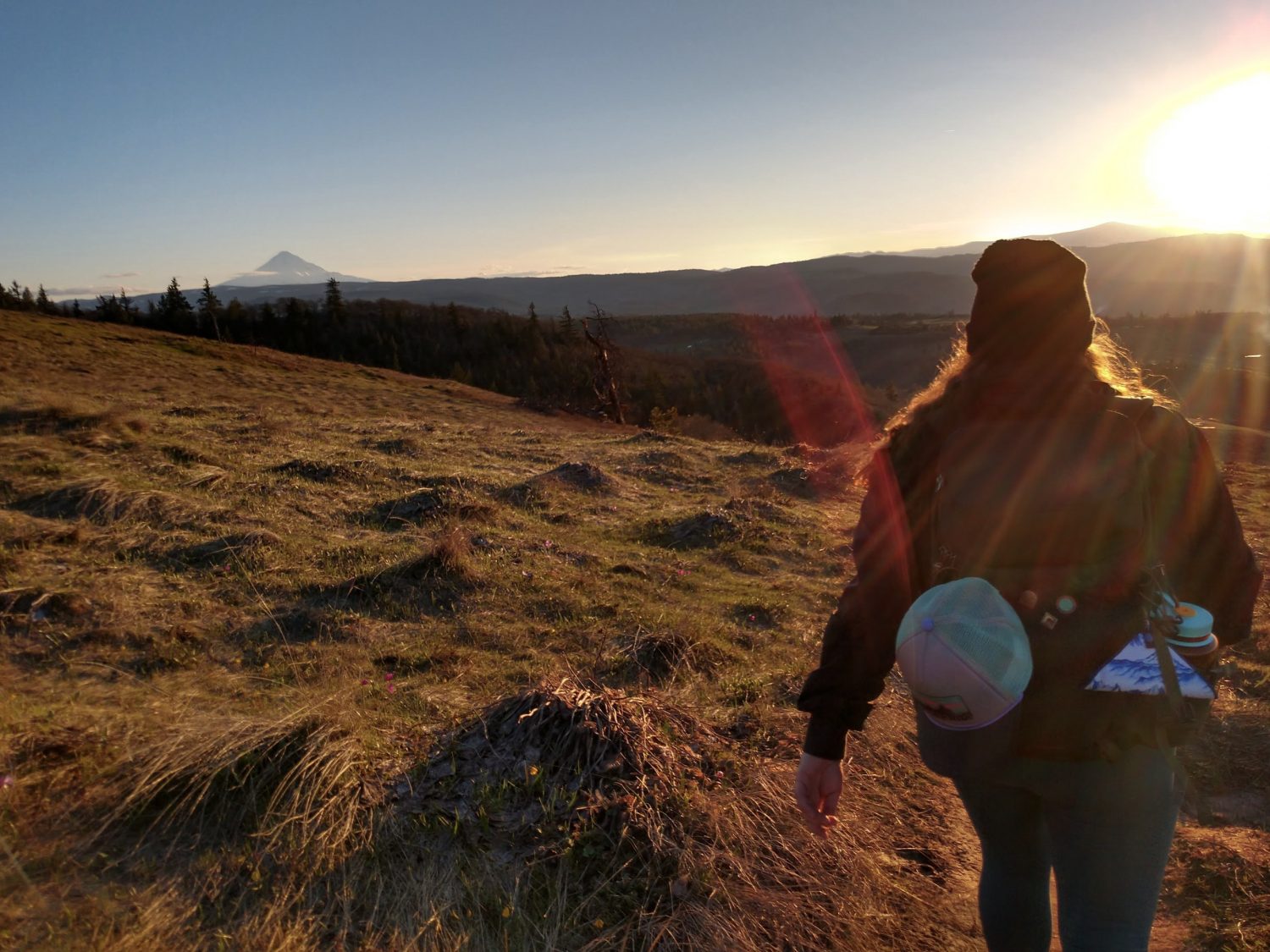


You want to be prepared whether it’s a natural disaster or possible civil unrest. Having at least 72 hours’ worth of supplies is essential. Build this supply for each member in your household. I hope I never need my bug-out-bag. Nonetheless, if I do, I will be glad I made one. Below is a list. You can refer to for all the must-have essentials. Include these when building out your own bag. A future blog to follow will expand on those first 72 hours to include your home and car.
Getting Started – Knowledge base
What is a bug out bag?
A Bug Out Bag is a short-term survival kit, typically stored in a backpack for ease of transport. It provides essential tools for survival. These are necessary if you need to evacuate your home or workplace quickly. This includes situations like a large-scale natural disaster.
Bug Out Bags go by many different names: Go Bag, Go Kit, Grab Bag, 72-Hour Bag, Bail Out Bag…but it all means the same thing: a portable emergency disaster survival kit.
A Bug Out Bag should be deployed quickly, at a moment’s notice. It is important to prepare them ahead of time. Store them in an easily accessible location.
Why a 72-hour bag?
During a widespread emergency event, it can take 3 days for government groups like FEMA to arrive. First responders may also take longer to help you out. I wouldn’t count on that help arriving. This is why in a future blog, we will go over having other supplies in your home and car.
You need to protect and provide for yourself and your family during this time when institutional help is unavailable.
We always consider what we need for 72 hours. That is why when we talk about what we are putting in our Bug Out Bags, we use that framework.
It’s just an organizational technique that most people find simple to start with.
The Unprepared – Live Among Us
Remember not everyone of your neighbors, friends, or even relatives will be concerned with being prepared should a disaster arise. And what will be their main concern should supply issues arrive? Toilet paper probably…
If you find yourself dealing with a man-made event, problems can occur. If it is severe enough, people may begin to act dangerously. Typically, behavioral issues start around the 3rd day. Those who live hand-to-mouth might start to get nervous if help doesn’t arrive. People who rely on grocery stores to be open and stocked might also feel anxious without help. They might begin acting in less than civilized ways.
Generally, however in times of stress, your local community will actually step up and start helping one another. Another reason to build a community to support each other now before you have a reason to need them.
But if you are a serious prepper (that’s why you’re here, isn’t it?) then you don’t rely on the good will of others to survive and thrive. You’ll plan ahead to make sure that doesn’t happen.
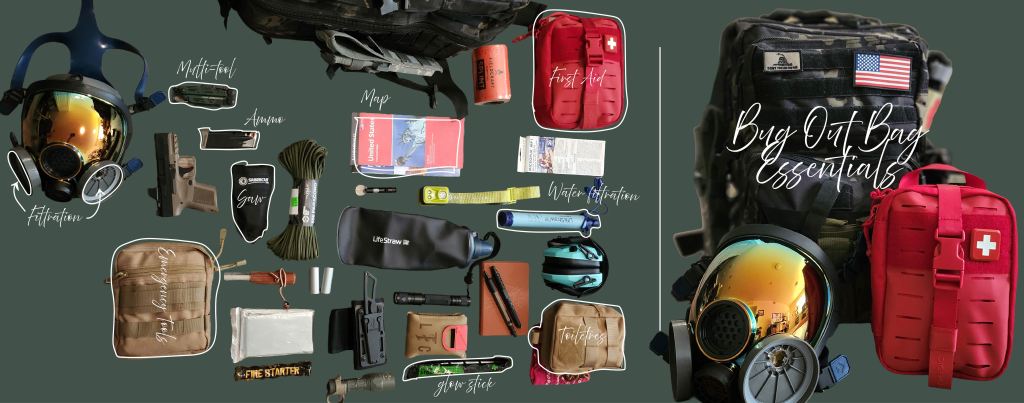
What to pack in a bug-out-bag
It’s important to prioritize.
Strive to keep it simple and focus on whats most important: Environmental Protection (Clothing), Water Purification, Food Supplies, Sleeping Gear, First Aid, and Personal Protection
Everything else is just there to support those 6 key categories.
Everyone will have a slightly different Bug Out Bag. Your location and the types of environments or survival situations you find yourself in will dictate specific items to carry. I have compiled the list below to be a baseline for the average BOB. You can use it as a template to give you an idea of what items to choose.
The list
Environmental Protection:
- Shelter ( tarp or emergency shelter)
- Gas Mask: keep filters in sealed packages and separate to prolong their life
- clothing and weather protection: pack one set of spare clothes include undergarments, socks, hat, jacket, gloves
- Emergency blanket
Water Purification:
- Stainless Steel Bottle (40 oz)
- Water Filter: lifestraw
- Water Purification Tablets
- Collapsible Soft Bottle
Food Supplies:
- 3 days supply of food and snacks
- Cooking Stove and fuel (Jetboil or other portable stove)
- Utensils
- water
Emergency Survival items:
- Durable tactical backpack
- Multi-tool (Leatherman)
- Knife (folding and fixed)
- Duct tape
- Fire starter
- water proof matches / Lighter
- Tinder
- Batteries ( every size to replace in all your battery required items)
- Paracord / Rope
- Headlamp
- Flashlight
- folding saw
- small hatchet
Navigation / Communications:
- GMRS Radio or HAM Radio (extra battery, long distance antenna)
- Maps (US + State/local map)
- Compass
- Signal Mirror
**First Aid:
- bandages
- gauze
- tape
- antiseptic
- gloves
- trauma shears
- closure strips
pain/illness - ibuprofen
- antihistamines
- anti-diarrheal
- personal meds: this is important especially if you have prescriptions you can’t go with out e.g insulin
trauma - elastic wrap
- splint
- tourniquet
- pressure dressing
hygiene - hand sanitizer/wipes
- essentials like tweezers, safety pins, and a first-aid guide
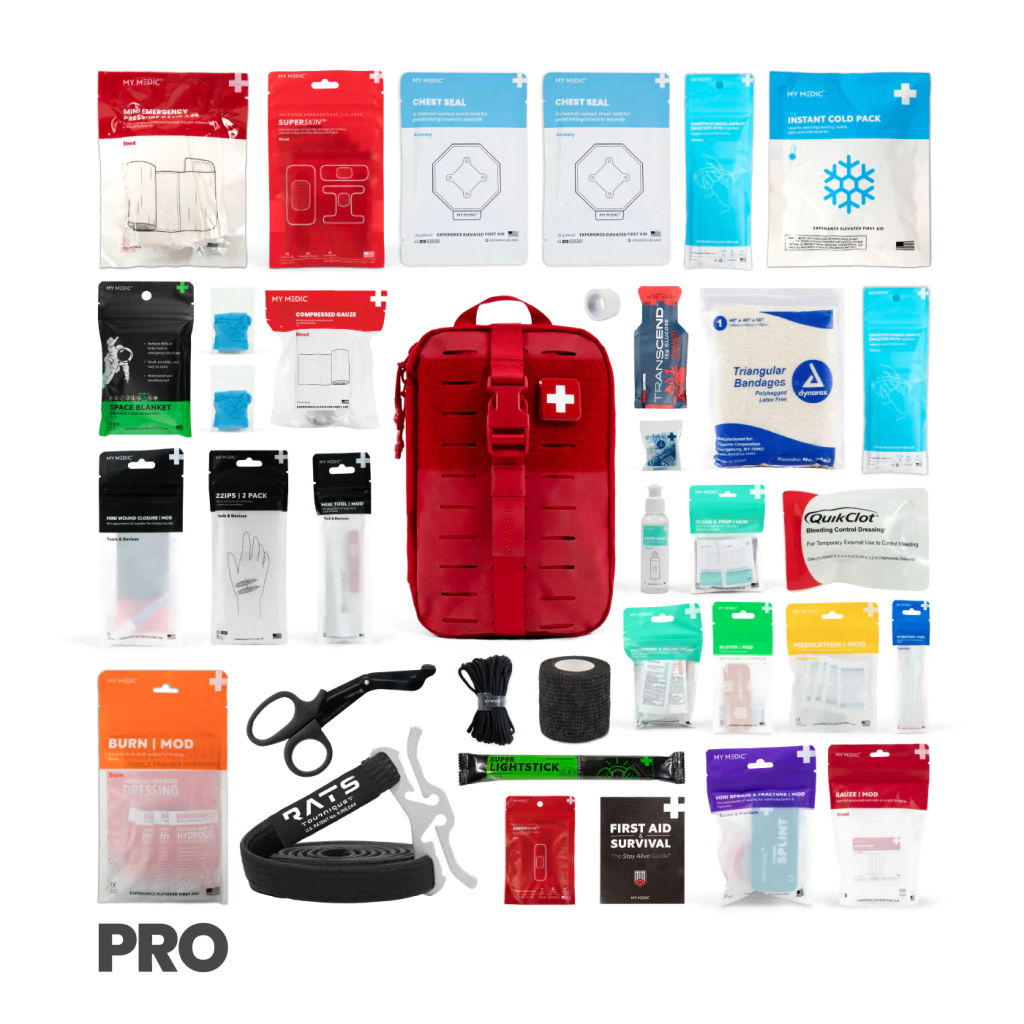
** A caveat to this list is to buy a premade first aid kit like the My Medic Myfak kit and then supplement any item you want to add, but this particular kit has everything you will need with a great zip case in bright identifiable colors, it even includes a little first aid guide.
Personal Defense
- pepper Spray/OC Spray
- firearms & Ammunition
- personal Alarm/Whistle
Extras / Nice to have:
- Notebook + pen
- smoke grenades
- glow sticks
- Basic toiletries (Tampons or pads, wet wipes, toilet paper, chapstick, lotion, nail clippers, hair ties, eye drops, sunscreen, tooth paste tablets)
- Bandanna
- reusable pee cloth (like a kula cloth)
Where to Store Your Bug Out Bag
A Bug Out Bag only works if you can grab it fast. Store your bag in a location that is:
- Easy to access at a moment’s notice
- Known to everyone in your household
- Not buried in a closet, attic, or garage corner
Common locations include:
- A hall closet near the main exit
- Under a bed
- In the trunk of your vehicle (or a secondary bag dedicated to your car)
If you live in a multi-level home, consider one bag per floor or at least ensure your primary bag is stored on the level you sleep on. Time and mobility matter during an emergency.
Review, Rotate, and Identify Gaps
Building your Bug Out Bag is not a one-and-done task.
At least twice a year, you should:
- Check expiration dates on food, water purification tablets, medications, and first aid supplies
- Rotate batteries and test electronics
- Re-evaluate clothing for seasonal needs
- Reassess personal medications and prescriptions
- Identify gaps based on changes in your health, family size, climate, or skill level
A good habit is to review your bag during daylight savings time changes or at the start of summer and winter.
Your goal isn’t perfection—it’s readiness.
Final Thoughts
Preparedness is about buying yourself time, options, and peace of mind. A Bug Out Bag gives you the ability to move quickly, think clearly, and protect yourself and your family during the most critical first 72 hours of an emergency.
I hope you never need to use it. But if you do, you’ll be grateful you took the time to prepare.
In the next post in this series, we’ll expand beyond the bag and focus on:
- Preparing your home for extended emergencies
- Essential vehicle supplies
- How to layer preparedness so you’re not forced to leave unless absolutely necessary
A Bug Out Bag is your foundation—but true preparedness doesn’t stop at the front door.
 BRE WANDERS
I’ve got a lot of this in my boat already, but deffo need to put it in a bag as well. As boats are off grid, we end up acquiring a lot of this stuff naturally. Can you recommend a light-weight water filter?
LikeLiked by 1 person
There are a few options I have a backpacking water filter by MSR and I also I have a collapsible bottle that filters and a straw from Lifestraw, both great options to have on hand.
LikeLike